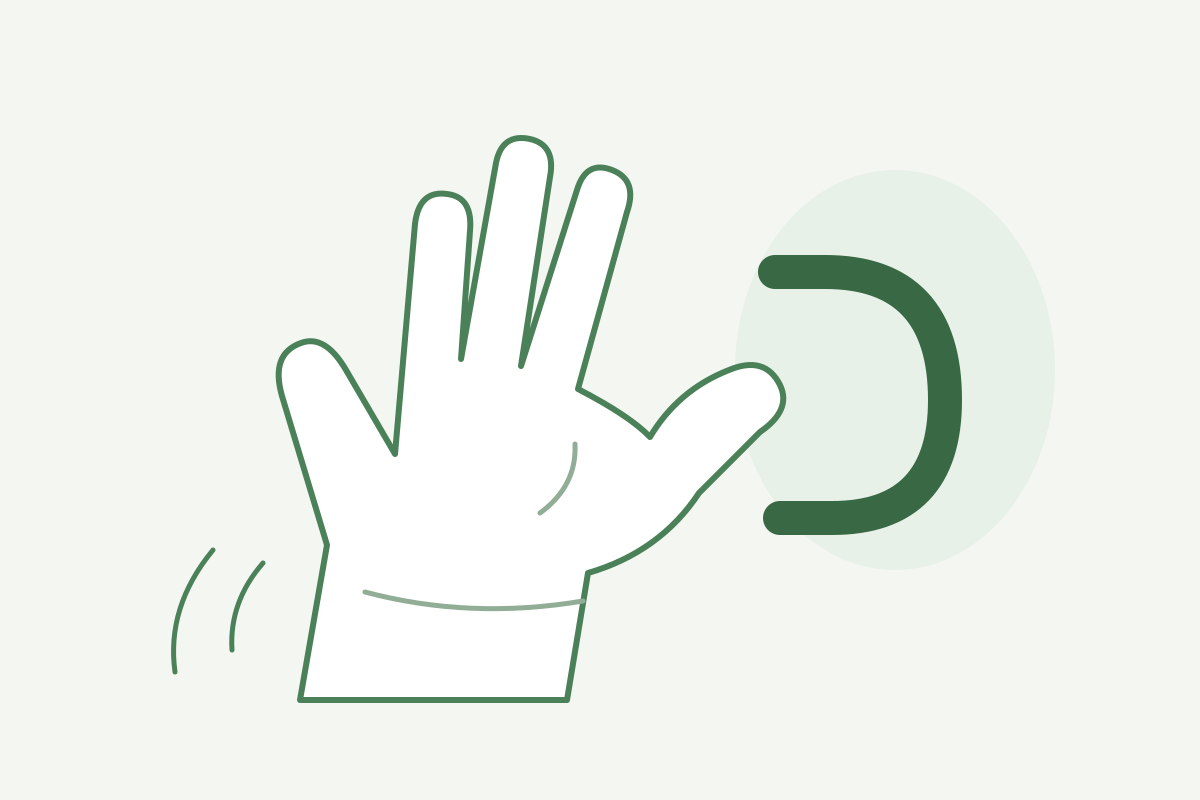
Trigger finger occurs when a finger or thumb catches or locks as the flexor tendon moves through its surrounding pulley system. There may be tenderness in the palm, stiffness after rest and a click when the finger straightens.
It is different from thumb-side wrist pain, even though both involve tendons. Diabetes and some inflammatory conditions are associated with a higher likelihood of trigger finger.
Reduce the provoking load
Notice tasks involving repeated gripping, such as tools, cooking or carrying heavy bags. Adapting the grip or reducing repeated force may make daily use more comfortable. Do not repeatedly snap the finger open to test it or force a locked finger through pain.
A clinician can discuss whether a splint, hand therapy, medication or an injection is appropriate. Persistent locking may require a surgical opinion.
Chinese medicine and review
Acupuncture or other care may be discussed for associated pain in a suitable presentation. It should not be promised to mechanically release every narrowed pulley or avoid every operation.
At Eden, explain the tasks affected and how often the finger catches. Review should include locking frequency and practical hand use, not just tenderness immediately after treatment. If the finger remains stuck, function worsens or treatment is not helping, reassess the plan rather than repeating a fixed course indefinitely. Different hands and different stages of the condition need different decisions.
Pain & movement
A sore wrist, a stiff neck or a back that objects to another day at a desk. Treatment begins with how the problem affects the way you move.