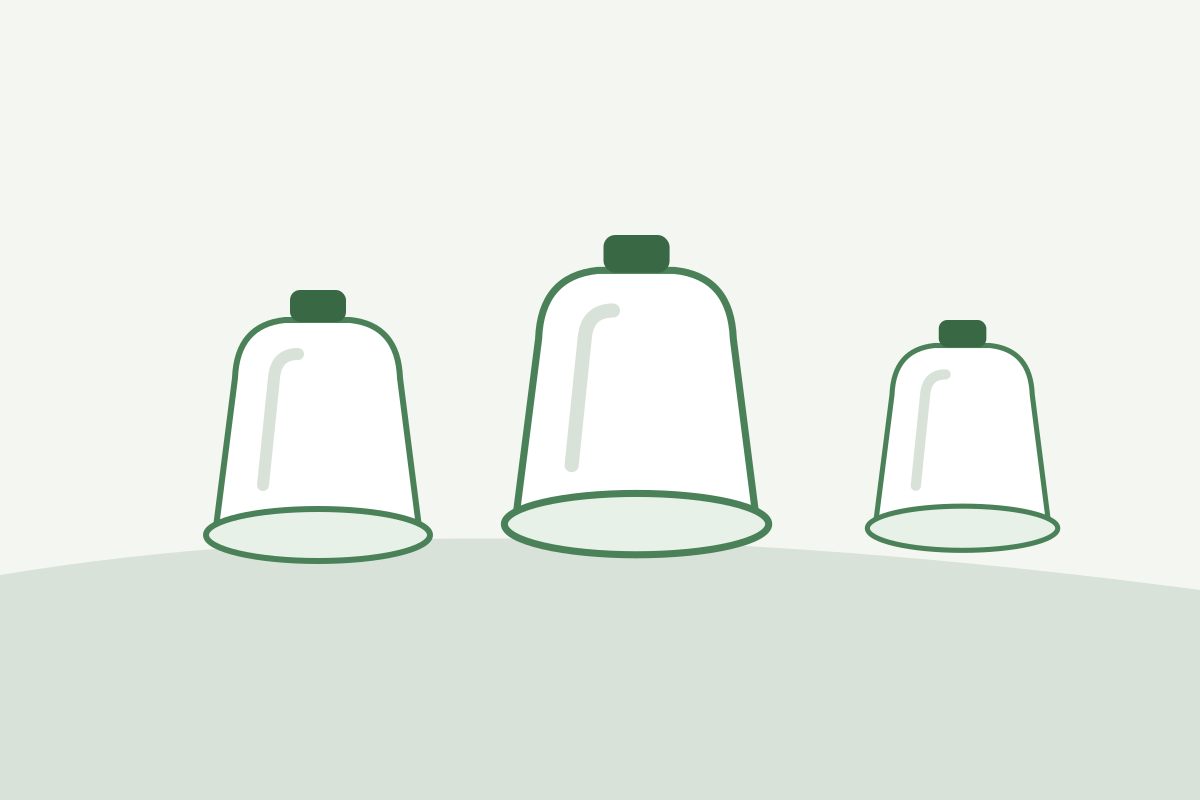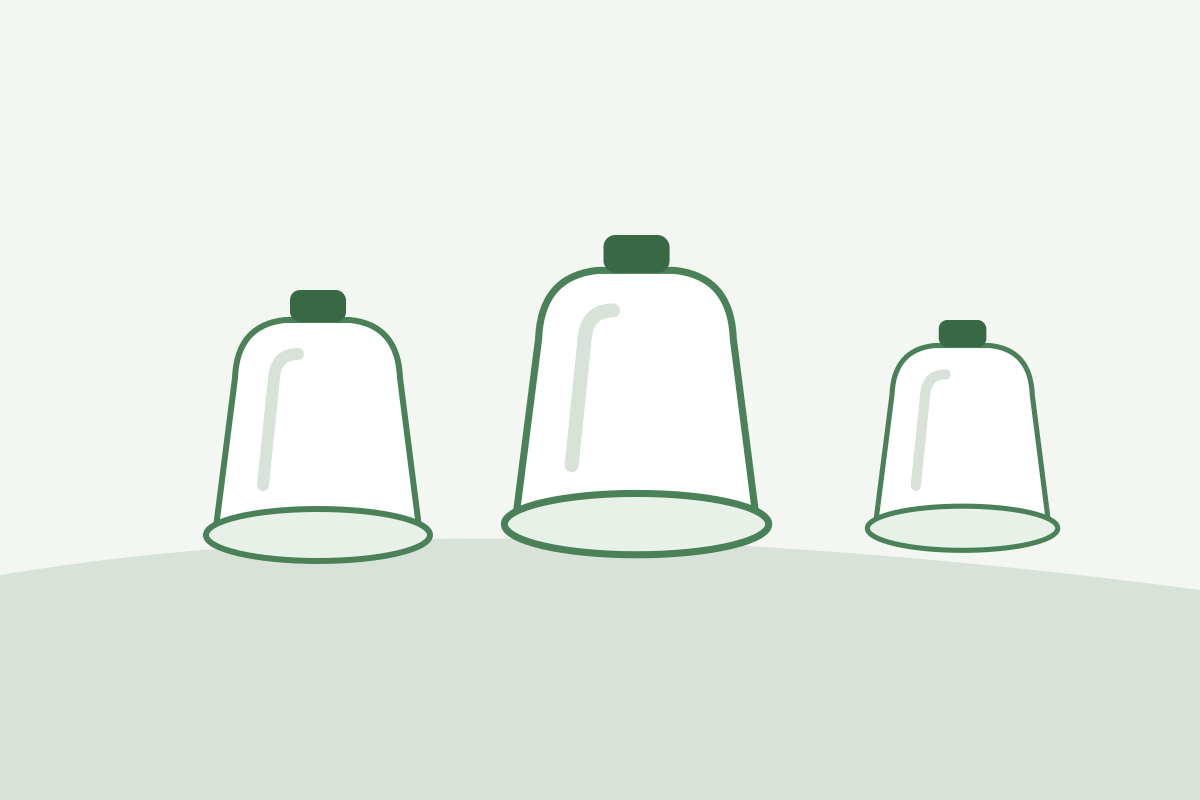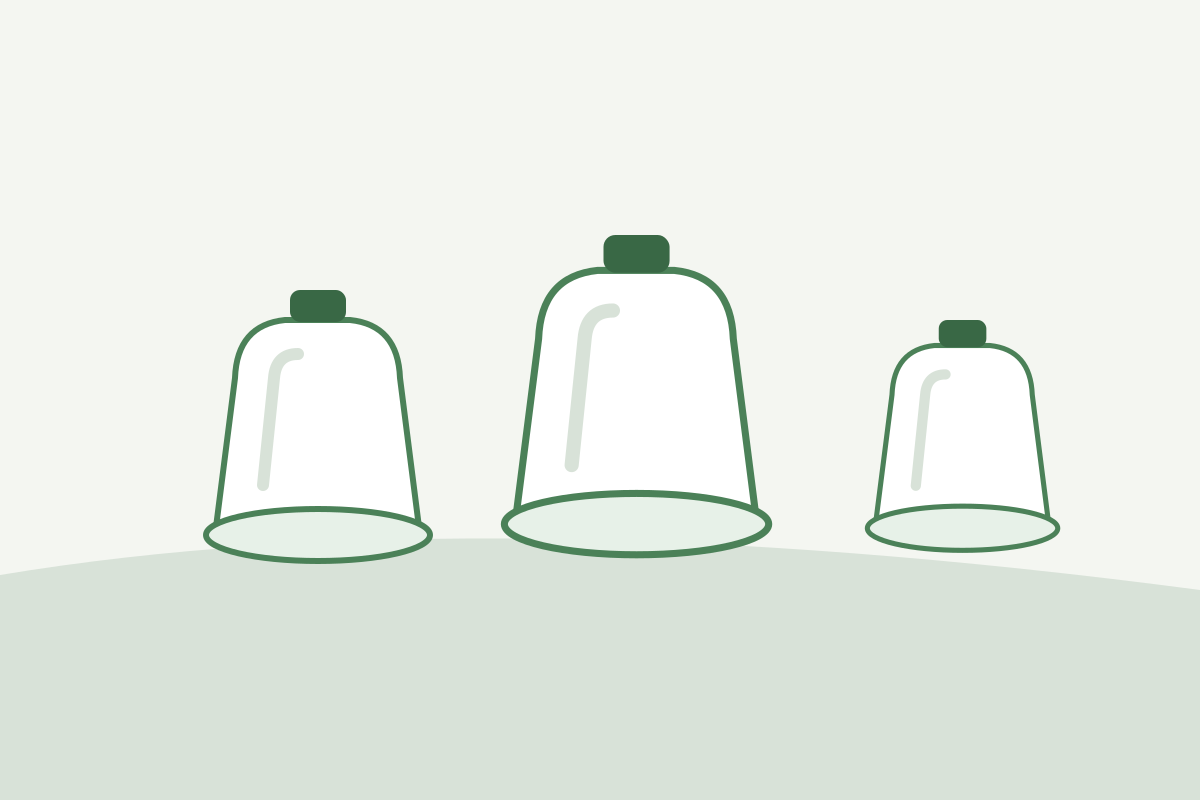
Cupping creates suction over the skin. People commonly seek it for tight shoulders, an aching back or a feeling of muscular heaviness. In Chinese medicine it is used as an external treatment to move qi and blood and address particular patterns of stagnation.
Choosing it begins with the problem being treated. An uncomfortable shoulder after prolonged desk work is a different situation from a swollen joint or pain caused by nerve compression.
Muscle pain and movement
Cupping may offer short-term relief for some people with pain, although the quality of research is limited. It can be discussed alongside movement advice, exercise or other treatment. Relief immediately after a session is useful, but so is whether turning, lifting or sleeping becomes easier over the following days.
Suction does not mechanically put a slipped disc back in place. It also does not explain why pain travels down an arm or leg. Those symptoms need an assessment before a treatment is chosen.
Other traditional uses
Cupping has also been used traditionally for respiratory, digestive and menstrual symptoms. These uses do not establish that it treats infection, regulates hormones or strengthens immunity. Persistent cough, recurring abdominal discomfort and irregular periods each need a plan directed at their cause.
An Eden practitioner can explain why cupping is being proposed for a particular symptom, which area will be treated and what change would justify continuing it.
Comfort and skin matter
A stronger pull or a darker mark does not demonstrate a better result. Tell the practitioner if suction is painful. The technique needs particular care with fragile skin, easy bruising, bleeding disorders or blood-thinning medicines. Broken or inflamed skin is unsuitable for routine cupping.
Temporary circular marks are common, but blistering or burns are not a treatment target. The aim is a useful change in symptoms and function, with the least unnecessary irritation to the skin.
Pain & movement
A sore wrist, a stiff neck or a back that objects to another day at a desk. Treatment begins with how the problem affects the way you move.