The circles left by cupping are easy to recognise. What they cannot tell you is how many “toxins” were removed, whether a treatment worked, or how healthy you are. The marks are a response to suction on the skin and small blood vessels.
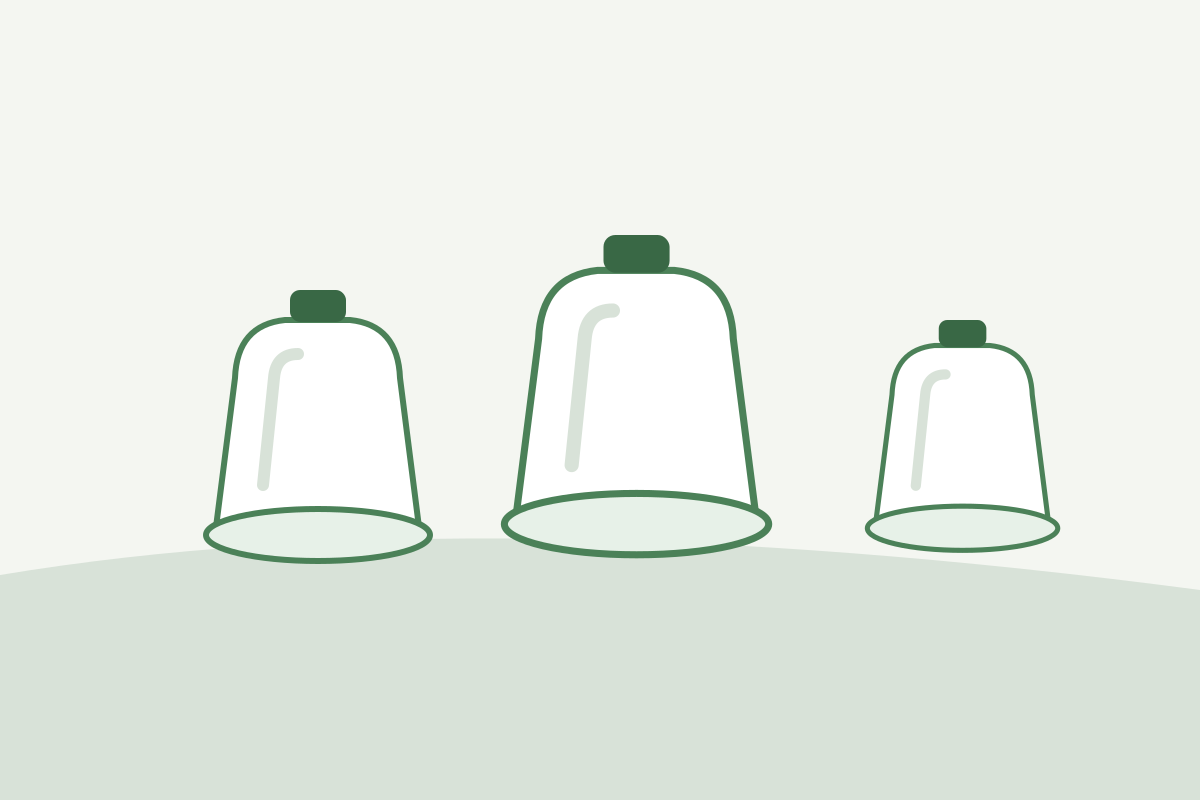
Cupping uses a cup to create negative pressure over an area of skin. In Chinese medicine it is described as an external treatment intended to move qi and blood and ease stagnation. People commonly seek it for muscle tightness or discomfort.
Darker is not better
The appearance of a mark depends on the strength and duration of suction, the site and the person’s skin response. A deep purple mark is not a treatment target. Nor does a mark that fades slowly provide a diagnosis of poor circulation or internal illness.
Blisters are a skin injury, not evidence that the treatment has drawn something harmful out. Stronger suction and longer sessions can add irritation without adding benefit.
What cupping can and cannot promise
Some people report relief from pain or tightness. Research on pain is limited in quality, so cupping is best discussed in relation to a specific symptom and a realistic treatment goal. It is not a method for removing body fat or treating every cause of pain.
A useful follow-up question is whether movement, comfort or daily activity has improved. The colour of the skin is much less informative.
Give the skin time
Repeating cupping over an area that is still bruised or irritated can make the skin more sore. There is no universal schedule that makes daily treatment useful. Let the area recover and discuss whether another session is needed.
Afterwards, avoid rubbing or scratching the treated area. Follow the practitioner’s advice about washing and skin care, particularly if the skin is tender. If a blister appears, do not deliberately burst it; get advice on protecting the area.
Choosing a suitable treatment
Skin infections, open wounds and active skin inflammation change where treatment can be used. Medicines that affect bleeding and a history of easy bruising also matter. Tell the practitioner about these, and about pregnancy, before treatment begins.
For a shoulder or back problem, cupping may be one part of a broader plan that considers movement, workload and other treatment options. It should earn its place by helping the problem you came with, rather than by leaving the most dramatic mark.
Pain & movement
A sore wrist, a stiff neck or a back that objects to another day at a desk. Treatment begins with how the problem affects the way you move.