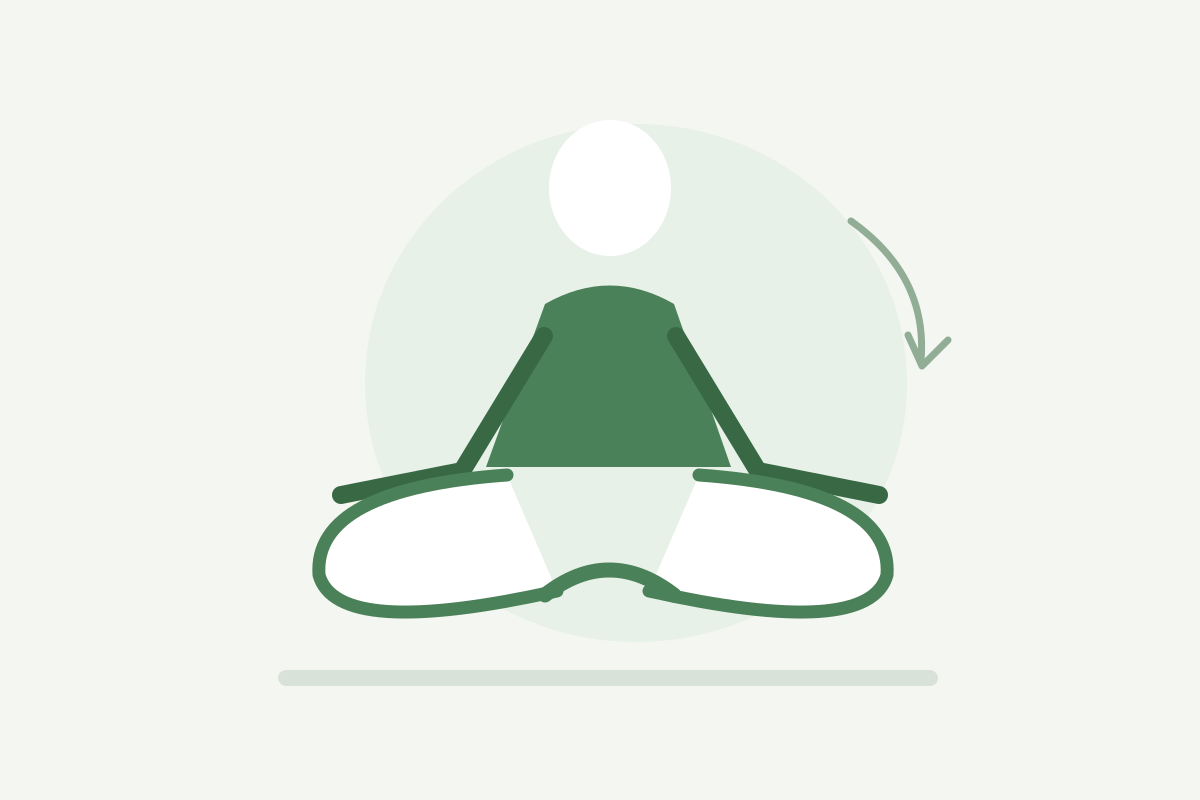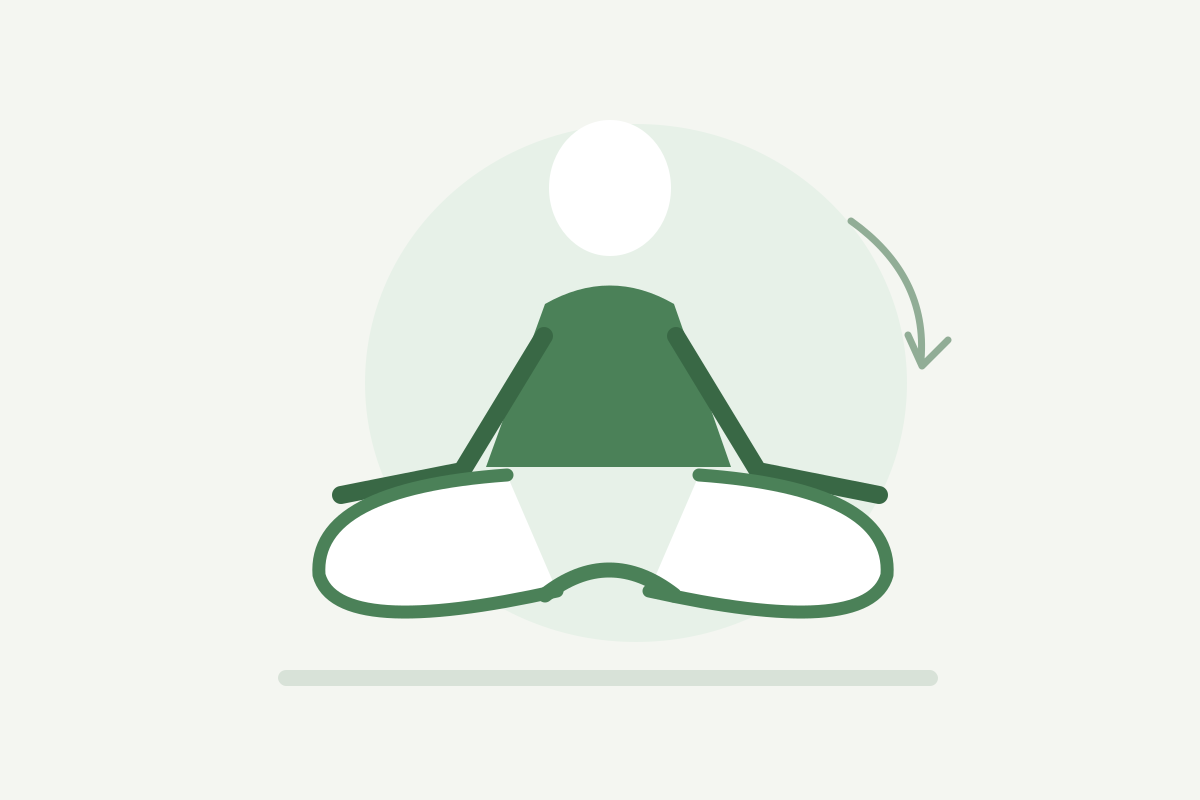
Huiyin is a traditional acupuncture point in the perineum, the area between the genitals and anus. Its location is close to the pelvic floor, but an acupuncture point and a group of muscles are different descriptions of the body.
Pelvic floor training concerns the muscles that support the pelvic organs and help control bladder and bowel function. Learning to release them is part of good control, just as learning to contract them is.
Find the movement without forcing it
A gentle inward lift, as if trying to prevent wind from escaping, can help identify the area. Keep breathing normally and avoid squeezing the buttocks or holding the abdomen rigid. Let the muscles soften fully afterwards.
Imagining stopping urine can be a useful cue, but repeatedly interrupting the urine stream is not a training routine. Practise away from the toilet. The movement should feel controlled rather than like bearing down or pushing.
Tight is not always strong
Constantly clenching the pelvic floor can make relaxation difficult. Someone with pelvic pain, painful sex or difficulty emptying the bladder may need a different approach from someone with straightforward weakness and leakage.
If exercising increases pain or makes symptoms worse, stop and have the technique and muscle function assessed. A pelvic health physiotherapist can distinguish weakness from excess tension and tailor the exercise programme.
The Chinese medicine perspective
Traditional practice associates huiyin with the conception vessel and the lower part of the body. That can provide a framework for discussing symptoms, but there is no need to press, needle or strongly massage this intimate area to learn a pelvic floor contraction.
At an appointment, describe the practical concern: leakage with coughing, pelvic discomfort, a sense of heaviness or difficulty relaxing. That detail helps direct care towards the function that needs attention, rather than simply adding more repetitions.
Pain & movement
A sore wrist, a stiff neck or a back that objects to another day at a desk. Treatment begins with how the problem affects the way you move.