Pelvic floor exercises train the muscles supporting the bladder and bowel. They may be useful for selected urinary and sexual-function concerns, but they are not a universal treatment for erectile difficulties.
Doing more repetitions is not always the answer. Technique, the ability to relax and the reason for the symptoms all matter.
A controlled lift
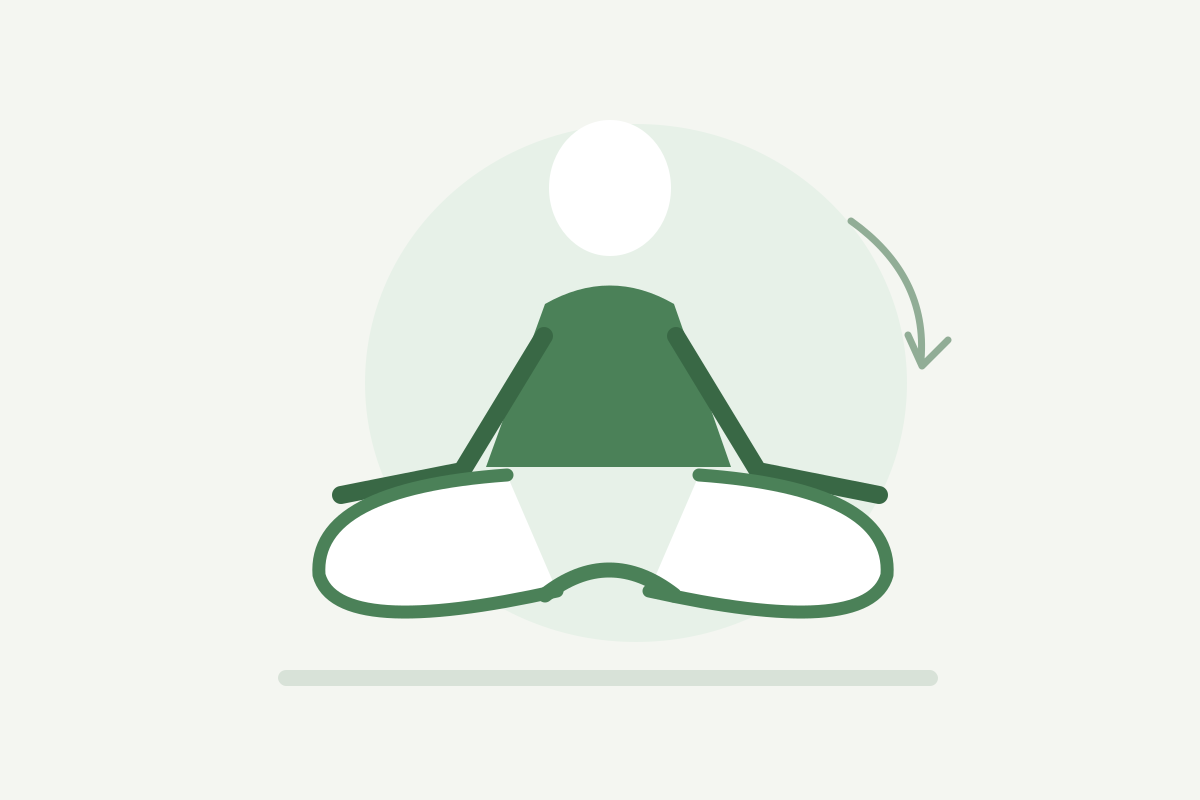
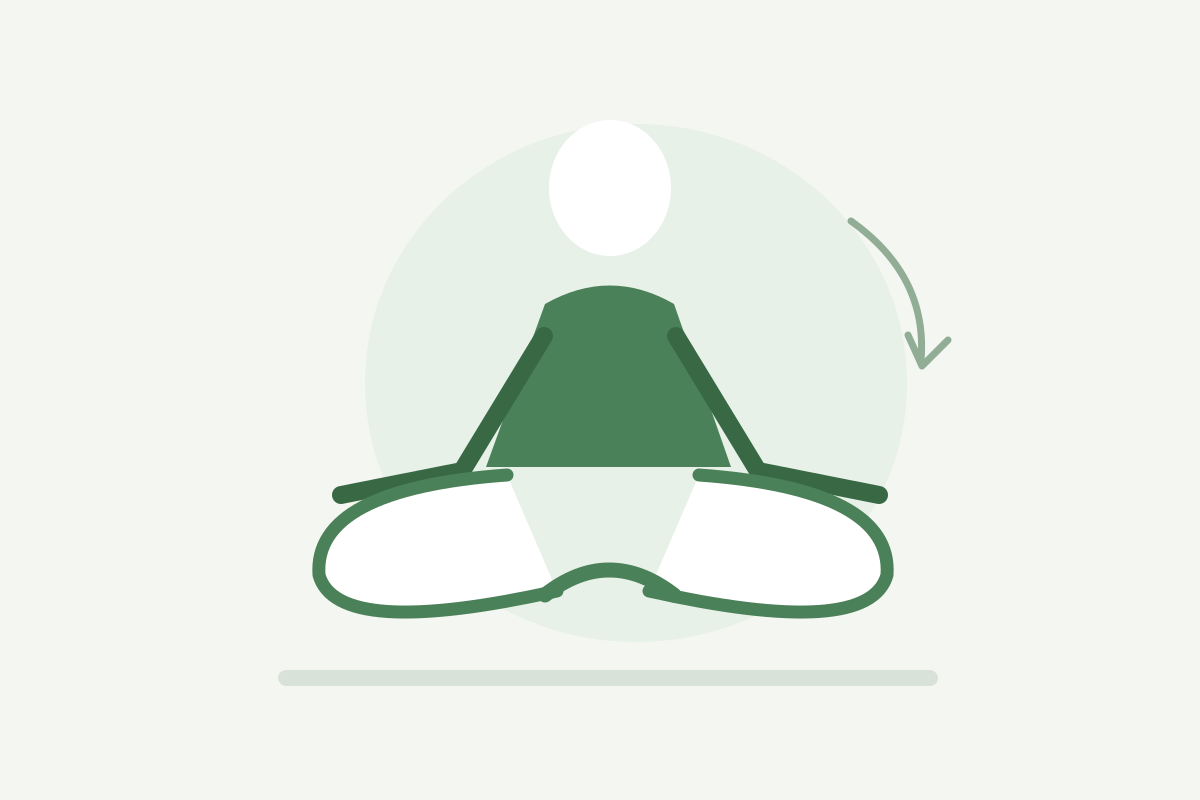
Imagine gently preventing wind from escaping while drawing the muscles around the urinary passage upwards. Breathe normally. Keep the buttocks and thighs relaxed rather than turning the movement into a whole-body squeeze.
Hold only as long as you can maintain a comfortable contraction, then let go fully. A clinician or pelvic health physiotherapist can help establish an appropriate mix of sustained and quicker contractions. Practise away from urination; repeatedly stopping the stream can interfere with normal emptying.
Three common mistakes
Holding the breath can turn the exercise into straining. Bearing down pushes in the opposite direction to the intended lift. Constantly clenching without release can leave the muscles tired and uncomfortable.
Pain, difficulty emptying the bladder or a persistent feeling of tension may call for relaxation work rather than extra strengthening. If practice increases discomfort, have the pattern assessed before continuing.
Erectile difficulties need a wider view
Blood vessels, nerves, hormones, medicines and emotional circumstances all influence erections. Pelvic floor function is one part of that picture. New or persistent problems deserve a medical discussion, especially when they occur with other changes in health.
Chinese medicine may consider patterns involving qi and the kidney functional system alongside the person's energy, sleep and symptoms. At an Eden consultation, be specific about the problem: maintaining an erection, low desire and leakage after urination are different concerns. That helps direct treatment towards a realistic goal instead of promising that one exercise will solve them all.
Pain & movement
A sore wrist, a stiff neck or a back that objects to another day at a desk. Treatment begins with how the problem affects the way you move.