Standing near a wall can make you more aware of the position of your head, shoulders and pelvis. It is a simple observation exercise, not a pass-or-fail test of spinal health.
People have different spinal curves and body proportions. Not being able to press every point against a wall does not automatically establish a deformity or explain pain.
Try it without forcing
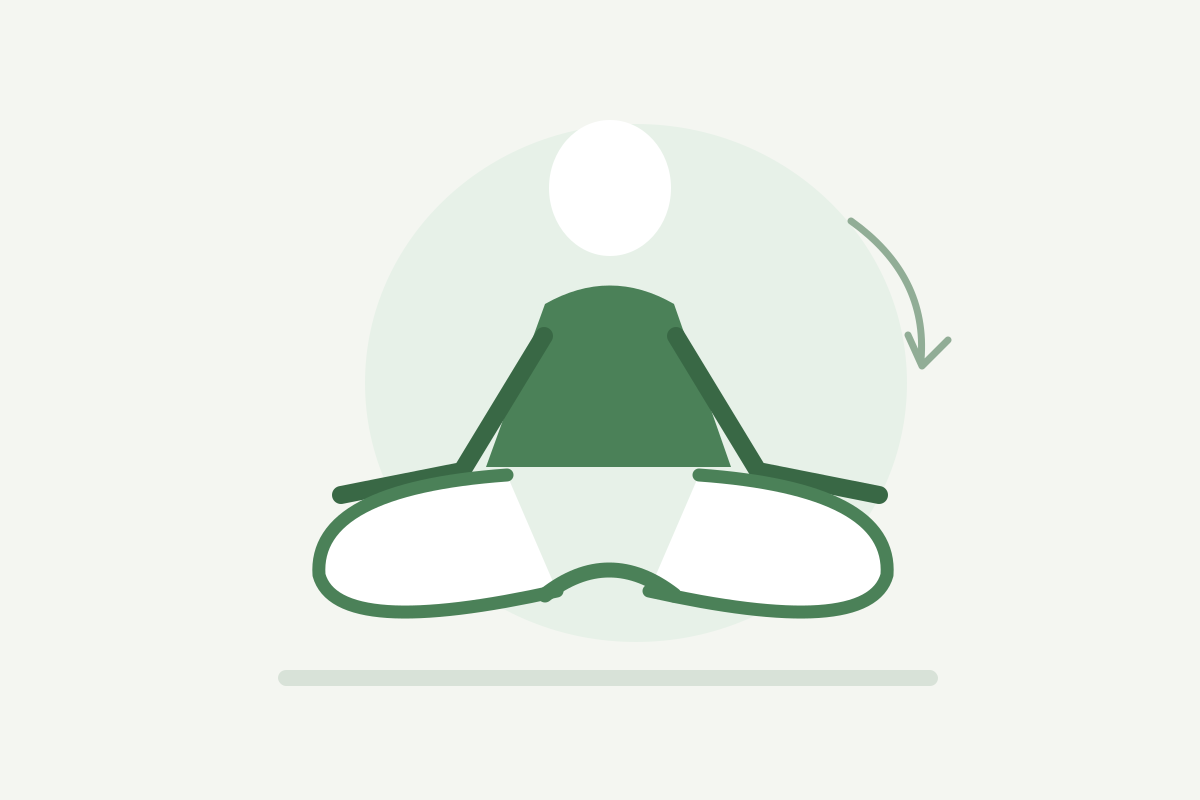
Stand comfortably with the wall behind you and look forwards. Notice where you naturally make contact and whether you lift the chin or brace the lower back to change that contact.
You can gently explore a more upright position, but do not push the head backwards or flatten the lower back aggressively. Stop if the position causes pain, dizziness or tingling. The size of the gap behind the waist is not a reliable diagnosis based on how many fingers fit into it.
Use the observation in daily life
A useful next step is varying positions and taking movement breaks, rather than holding a rigid “perfect” posture all day. Comfortable strength and movement matter alongside appearance.
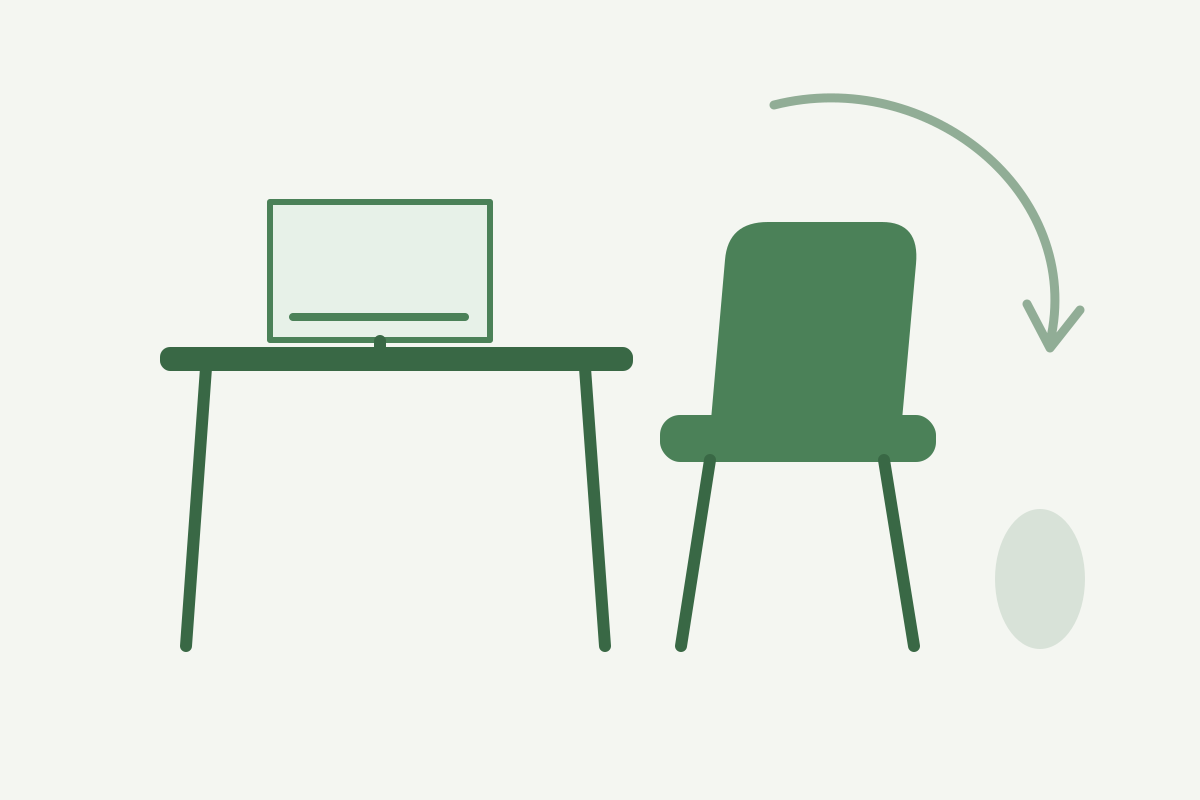
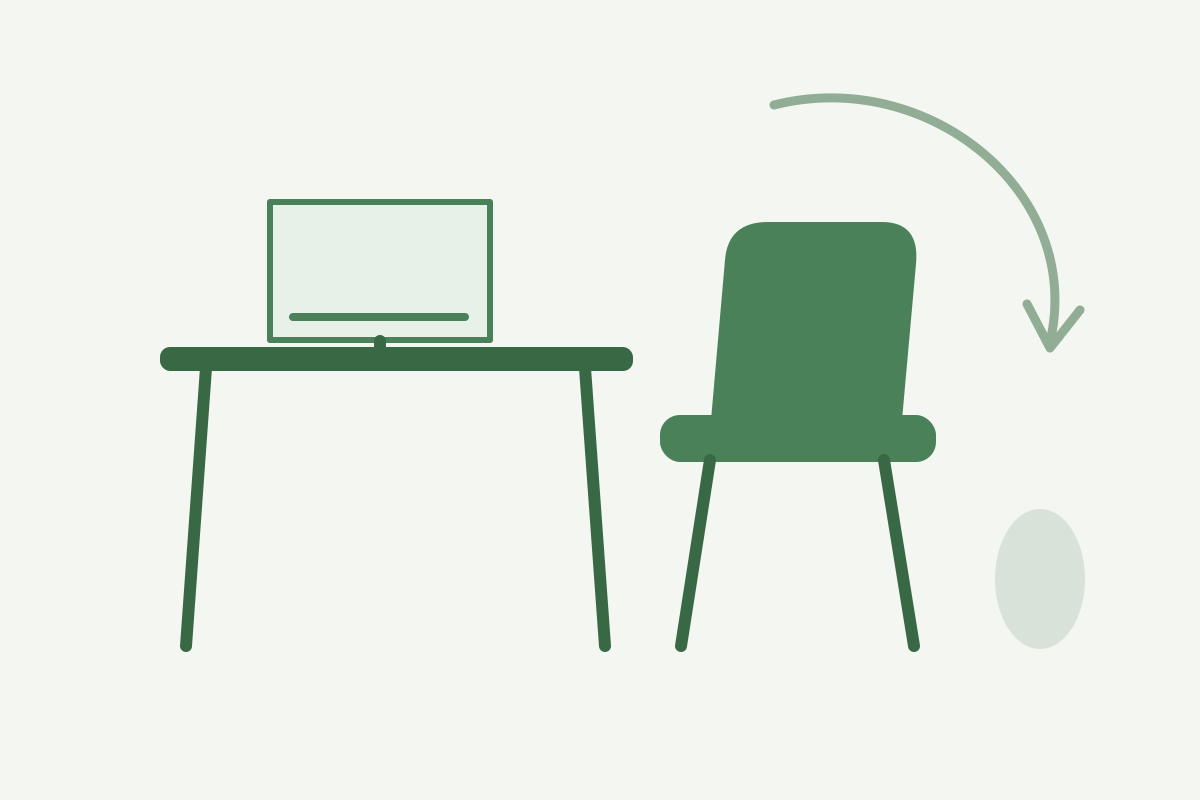
At Eden, an assessment can relate posture to the actual complaint: desk-related neck pain, limited turning or discomfort when standing. The examination may include movement and strength rather than relying on one wall test. Treatment and exercise should help the task you want to do, without making you feel that every natural curve needs correction.
References
Eden Clinic — Chinese originalPain & movement
A sore wrist, a stiff neck or a back that objects to another day at a desk. Treatment begins with how the problem affects the way you move.