The position you use briefly is different from a position you hold for hours. A phone, laptop or low sofa can encourage you to stay still long after your neck or back would prefer a change.
Everyday habits include leaning the head forwards, rounding the shoulders, crossing the legs and lifting with the load away from the body. The useful question is how each habit affects comfort and movement, rather than whether your body matches a perfect silhouette.
Make the screen come to you
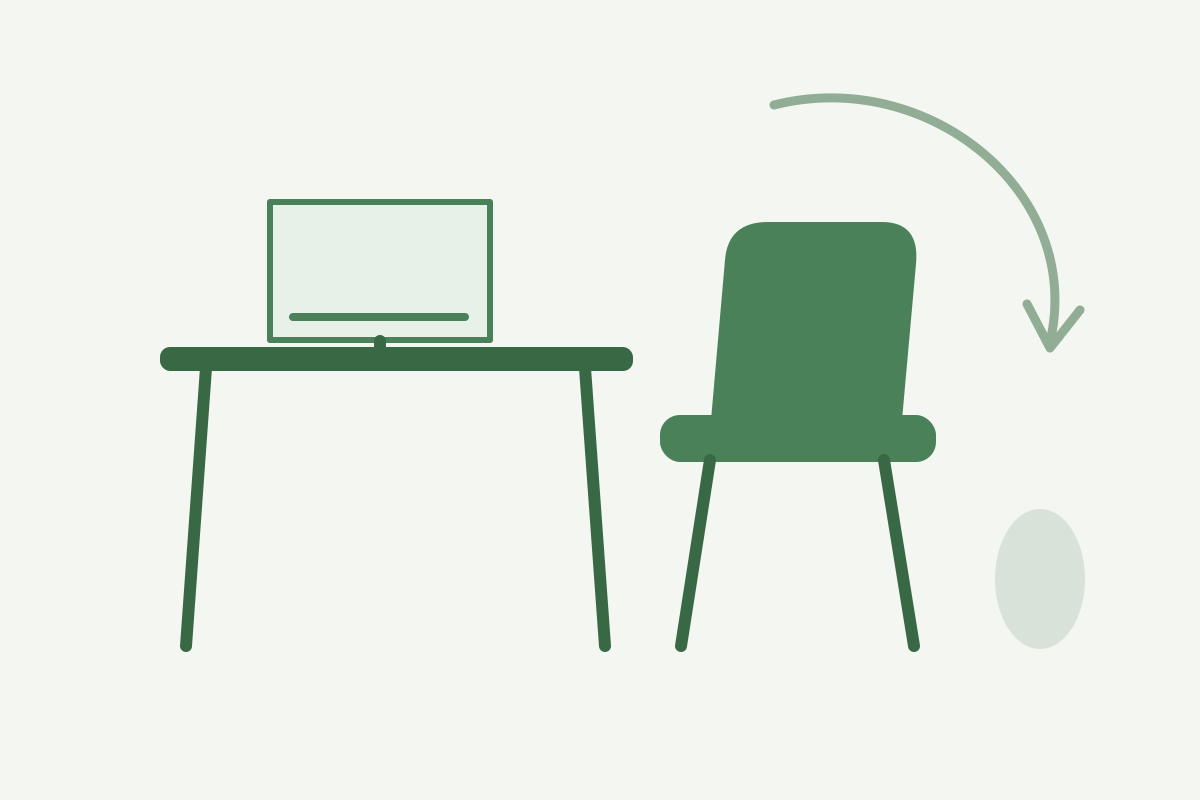
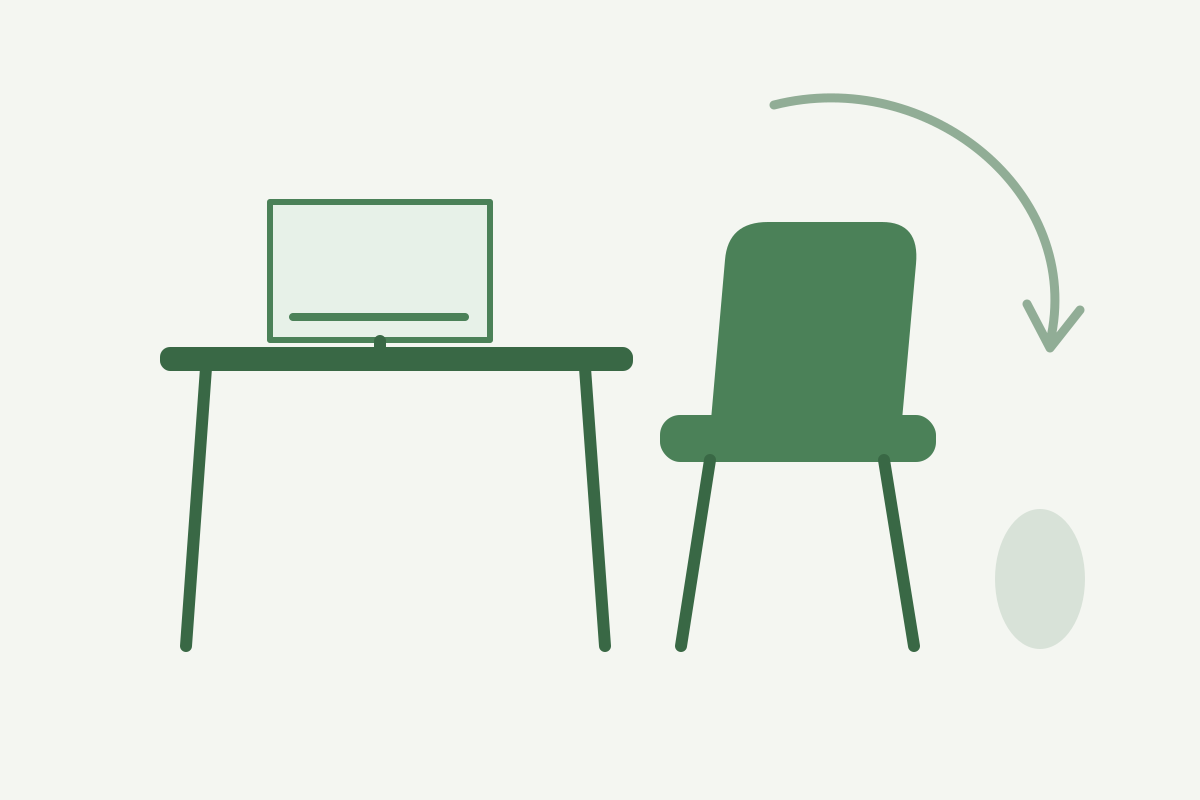
When a screen sits too low or too far away, it is easy to spend the afternoon reaching towards it with your head and shoulders. Bringing it into a comfortable viewing position can reduce that sustained effort.
For a laptop used for long periods, a separate keyboard can allow the screen to sit higher without forcing your arms upwards. On a phone, change hands and support your forearms where practical. Even a good setup benefits from breaks.
A supported seat, with room to move
A soft sofa may feel comfortable at first but leave you sliding forwards and reaching for a screen. Try supporting the back and feet, then notice whether you can relax your shoulders without slumping towards the task.
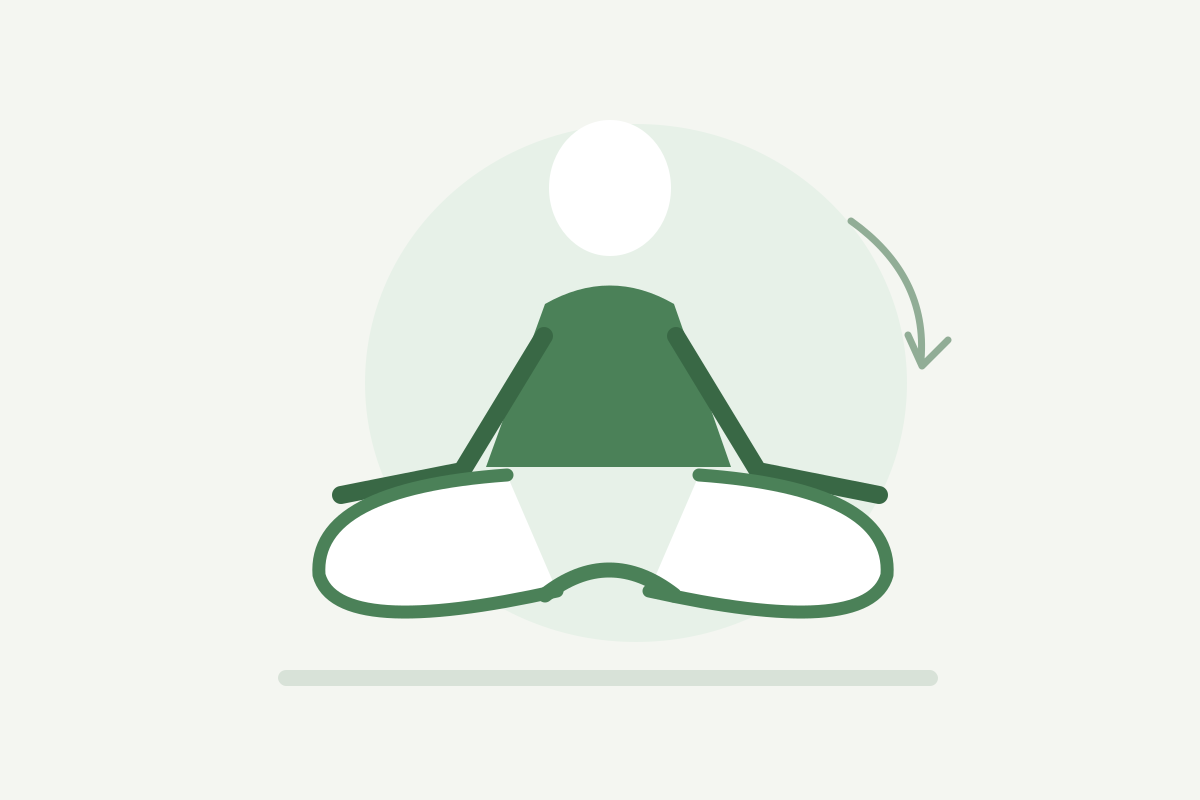
Crossing the legs occasionally is not a diagnosis. If one position begins to feel stiff or sore, uncross, shift weight or stand. The aim is to give joints and muscles a different demand, not to hold yourself rigidly upright all day.
Lift with the task in mind
Before moving a heavy object, bring it close, check the route and consider whether it can be divided or moved with help. Turn with the feet rather than twisting while carrying a difficult load.
Build up unfamiliar activity gradually. A weekend of moving boxes asks something different from a normal working week, even if each box seems manageable on its own.
Resting positions count too
Reading or watching a screen while lying sideways can leave the neck held at an angle. Support the head comfortably, change sides or sit up when needed. There is no need to treat side sleeping itself as harmful.
When discomfort persists
A pain consultation can examine movement, muscle strength and the activities that bring symptoms on. Acupuncture, manual treatment or exercise advice may be discussed according to the findings.
Posture is one part of that picture. It should not be used to tell someone that a rounded shoulder or a photograph proves spinal damage. Persistent pain, numbness or weakness needs an assessment of the person, not just correction of a pose.
References
Eden Clinic — Chinese originalPain & movement
A sore wrist, a stiff neck or a back that objects to another day at a desk. Treatment begins with how the problem affects the way you move.