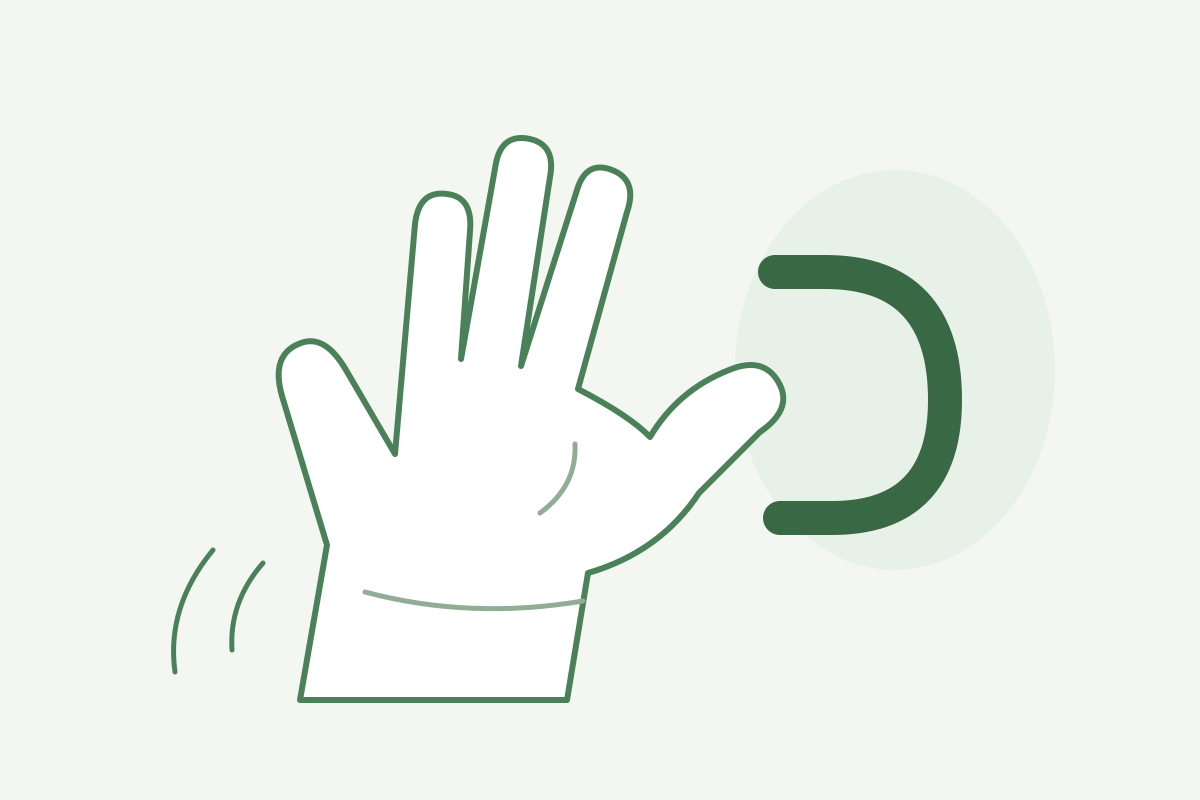
Lifting a baby, wringing a cloth or opening a jar can all bring on pain on the thumb side of the wrist. In Hong Kong this is often called “mother’s wrist”. The medical name is de Quervain’s tenosynovitis, and it also affects people who are not parents.
Two tendons that move the thumb pass through a narrow compartment near the end of the radius, the forearm bone on the thumb side. When the tendons and their surrounding sheath become irritated or thickened, thumb and wrist movements can become painful.
Recognising the pattern
Tenderness is usually close to the base of the thumb. There may be swelling, difficulty gripping or discomfort that extends into the forearm. Tasks involving lifting, twisting or repeated thumb movements can reproduce the pain.
An examination looks at the location of tenderness and how the thumb and wrist move. A clinician may use a movement test, but repeatedly forcing a painful position at home is unnecessary. Other causes of wrist pain, including joint or nerve problems, need different treatment.
Change the load, not just the pain
The wrist may be asked to do the same irritating movement dozens of times each day. When lifting a child, bringing the child close and using the forearms to support the weight can reduce reliance on an outstretched thumb. Splitting loads between two hands and changing phone or computer habits may also help.
Rest does not have to mean avoiding every movement. The aim is to reduce the particular loads that provoke pain, then rebuild comfortable movement. A suitable thumb-and-wrist splint may be part of the plan.
The Chinese medicine approach
A Chinese medicine assessment considers local overuse alongside traditional patterns involving qi, blood and the nourishment of the tendons. These are traditional clinical concepts used to organise treatment, rather than a separate anatomical diagnosis.
Acupuncture or manual treatment may be considered for pain and surrounding muscle tension. Treatment should be comfortable enough to tolerate and reviewed against practical changes: lifting, gripping and using the hand. Forceful work over a very sore area is not the goal.
Following recovery
Improvement is best judged by what the hand can do with less discomfort, not simply how it feels immediately after an appointment. Persistent pain deserves reassessment; options can include hand therapy, medication or an injection, depending on the diagnosis.
If pain started after a fall, or the hand is weak or numb, have it examined rather than assuming it is the usual overuse problem. Avoid very hot packs: irritated skin and tendons do not need intense heat.
References
Eden Clinic — Chinese originalPain & movement
A sore wrist, a stiff neck or a back that objects to another day at a desk. Treatment begins with how the problem affects the way you move.