Shoulders naturally move forwards when typing, reaching or holding a phone. The problem is often the amount of time spent in one position, especially when the arms are unsupported, rather than the appearance of the shoulders in a single photograph.
A rounded resting posture does not by itself diagnose injury. Comfort, strength and freedom of movement are more useful things to assess.
Reduce the effort of the task
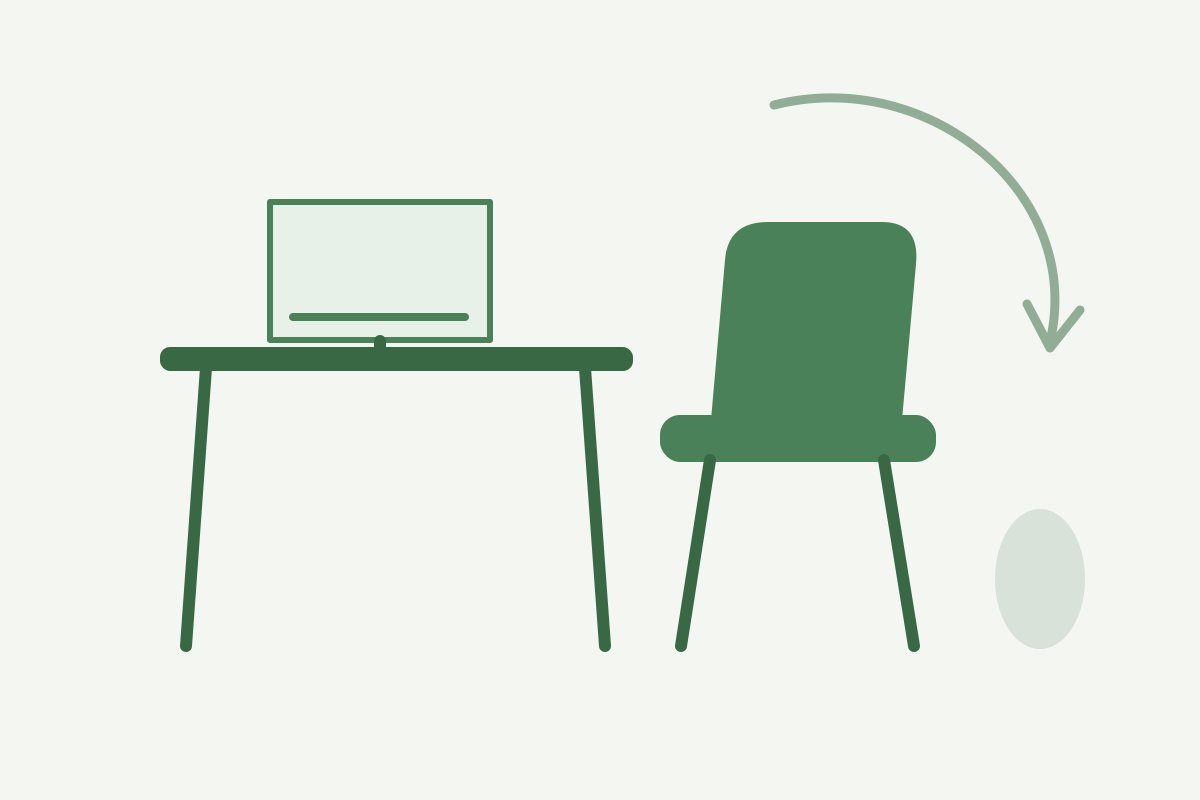
If the keyboard or mouse is too far away, the shoulders may remain lifted and the arms held forward for long periods. Bring frequently used items closer and support the forearms comfortably without forcing the shoulders upwards.
Raise a handheld device when practical and vary how you use it. Small changes that make work easier are more sustainable than trying to hold a rigid “perfect” position throughout the day.
Give the shoulders different jobs
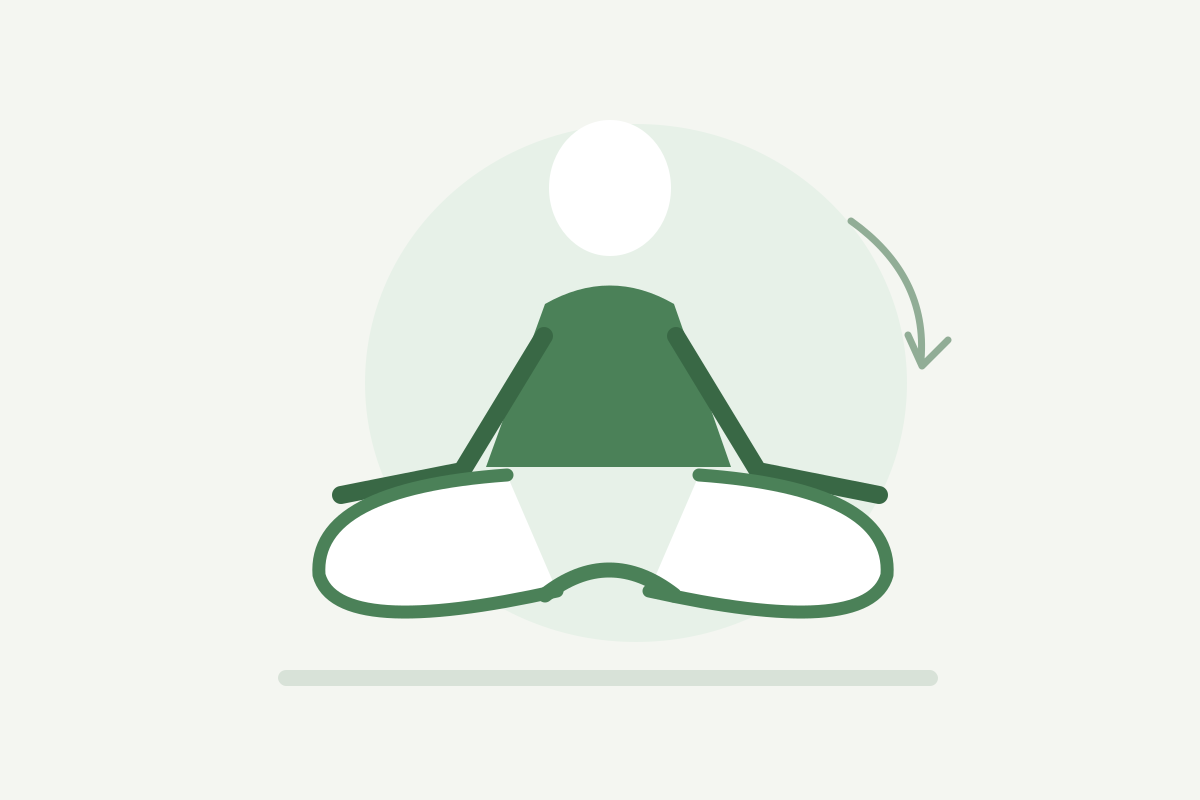
Alternate desk work with brief movement breaks. Gently reaching overhead, turning the upper back and moving the shoulder blades through a comfortable range can interrupt prolonged stillness.
Strength exercises may include pulling or rowing movements, adjusted to your ability. Progress gradually rather than forcing the chest open or pinning the shoulder blades together at all times. A posture test with a mirror or pencil cannot tell you which exercise programme you need.
When there is pain
Pain while raising an arm, weakness or restricted movement calls for an assessment of the shoulder itself. Neck-related symptoms can overlap, so describe whether pain extends down the arm or is accompanied by tingling.
At Eden, acupuncture or manual treatment may be considered for discomfort alongside advice about activity and movement. The goal is comfortable use of the shoulders at work, during exercise and in daily life—not correcting a photograph at the expense of natural movement.
References
Eden Clinic — Chinese originalPain & movement
A sore wrist, a stiff neck or a back that objects to another day at a desk. Treatment begins with how the problem affects the way you move.