A large, late dinner can leave little space between eating and going to bed. Sleep and digestive comfort are often connected in daily life.
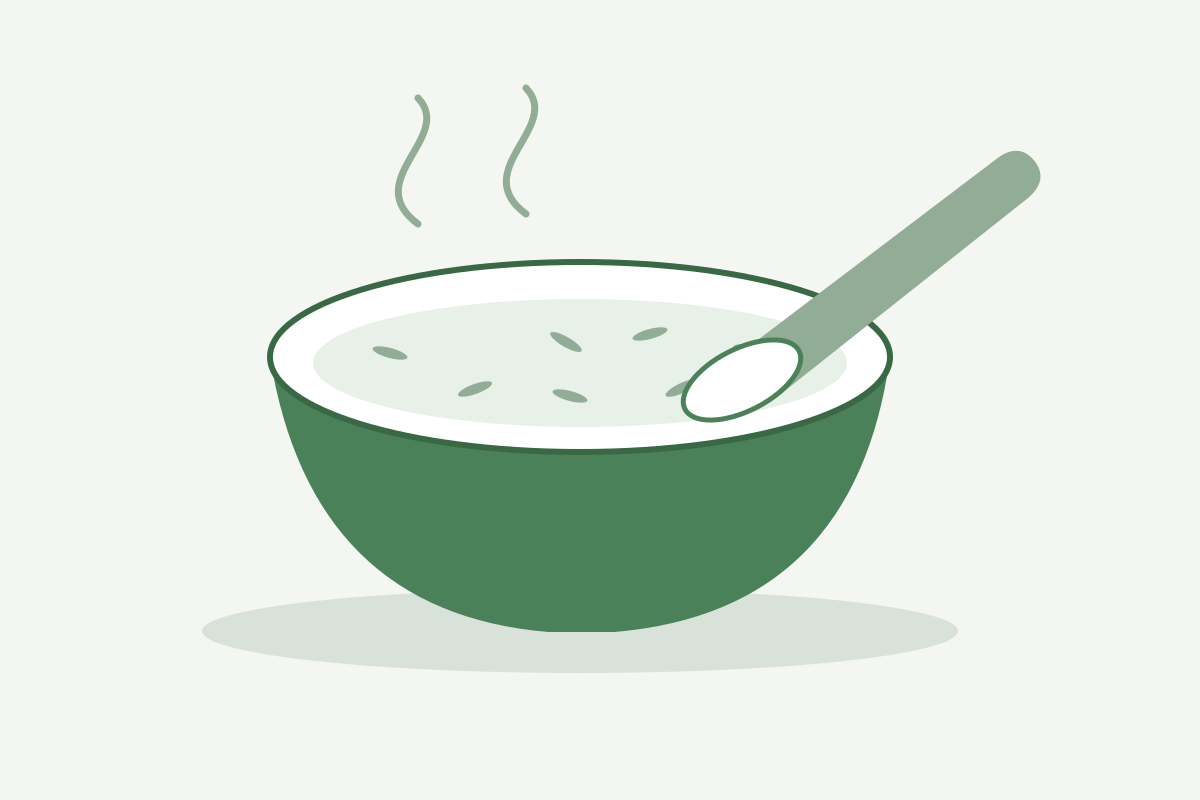
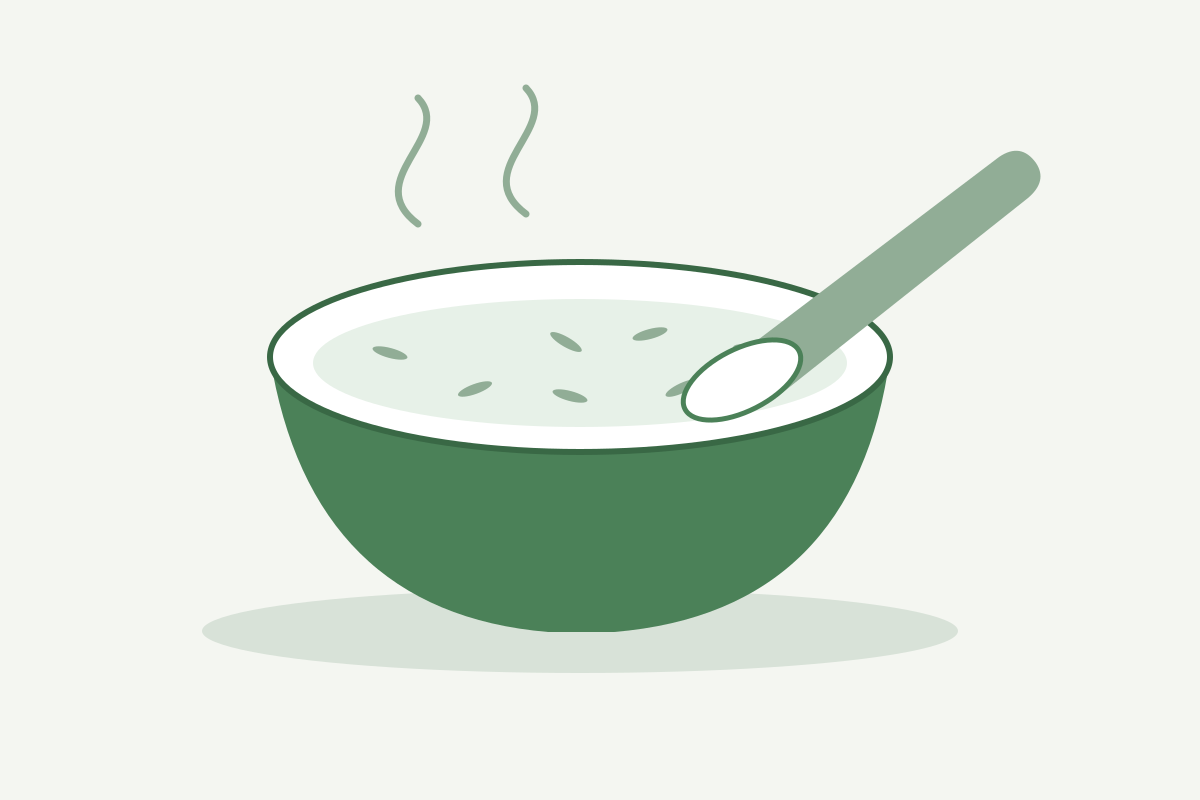
Millet is a grain that cooks into a soft porridge. In Chinese food traditions it is associated with caring for digestion, particularly when appetite is low. The warmth, texture and simplicity of congee can make it an appealing meal when rich food feels uninviting.
Food as part of a routine
A simpler evening meal can be paired with a gentle walk. This is a way of thinking about the whole evening, rather than treating one ingredient as a sleeping medicine. Meal size, timing and your own tolerance matter alongside what is in the bowl.
If a light meal suits you, allow enough time to eat comfortably. A brief, easy walk afterwards can provide a transition away from work and screens. It does not need to become an exercise target.
A bowl can be more than grain and water
Plain congee is mainly a grain-based food. It may not provide enough protein or variety as a regular meal on its own. Pair it with an egg, tofu, fish or another suitable protein, and vegetables you enjoy.
How thick you make it and how much you eat affect the amount of carbohydrate in a serving. Millet is still a source of carbohydrate; calling it a traditional food does not make its effect on blood glucose disappear.
Choose additions for a reason
Dates and wheat also appear in traditional food therapy, sometimes alongside medicinal ingredients. An ordinary food and an individually prescribed herbal combination have different purposes. There is no need to add medicinal herbs to make a bowl of congee worthwhile.
Use ingredients you tolerate, and take account of allergies. If you already follow a nutrition plan for diabetes or another condition, fit the meal into that plan rather than assuming congee is automatically the best choice.
Notice what actually changes
Does a smaller evening meal feel more comfortable? Are you hungry again soon afterwards? Is late eating more of a problem than the food itself? A few practical observations are more useful than promising that millet will cure insomnia.
If sleep difficulties persist, look at the wider pattern: waking time, caffeine, stress, pain and the quality of sleep. A comforting meal can belong in a helpful routine without carrying the responsibility for solving every sleep problem.
Chinese food therapy often begins with everyday eating. Keeping that idea practical means choosing a meal that is enjoyable, nourishing and workable in your actual day.
References
Eden Clinic — Chinese originalEveryday health
Digestive discomfort, skin concerns and the symptoms that keep returning. A consultation makes space for the details that connect them.