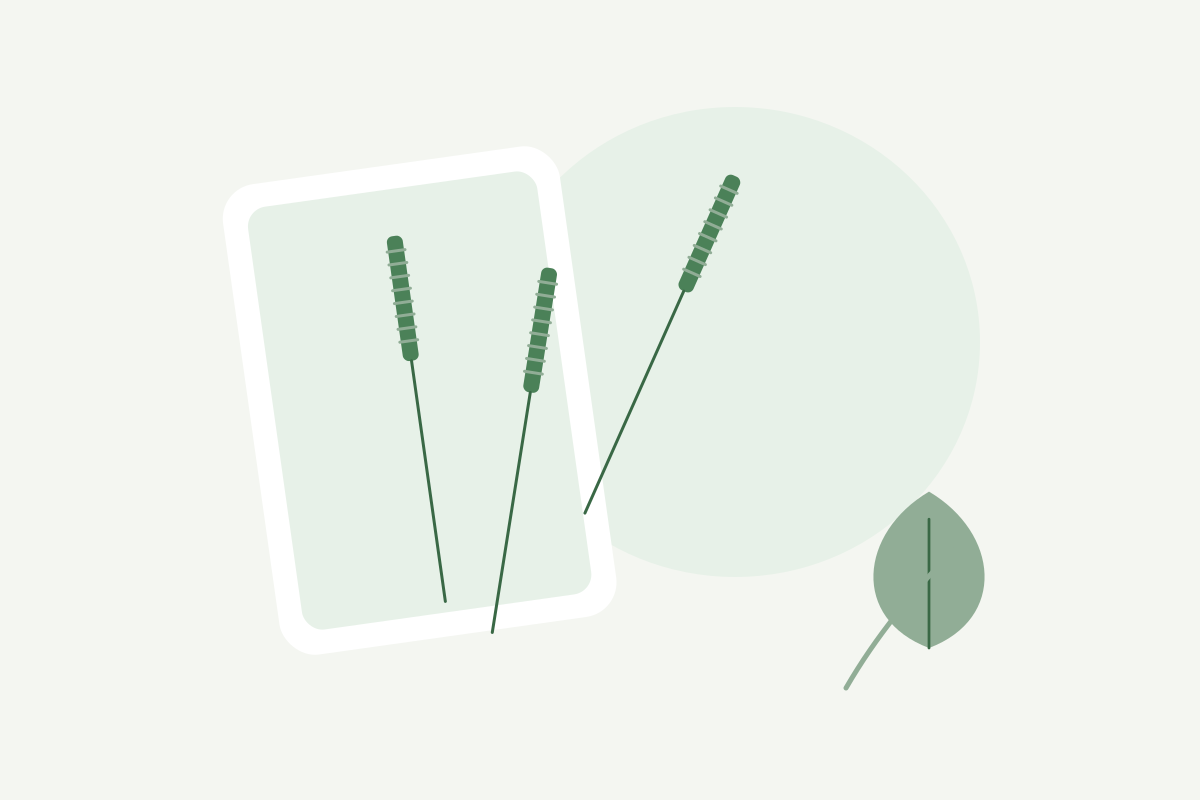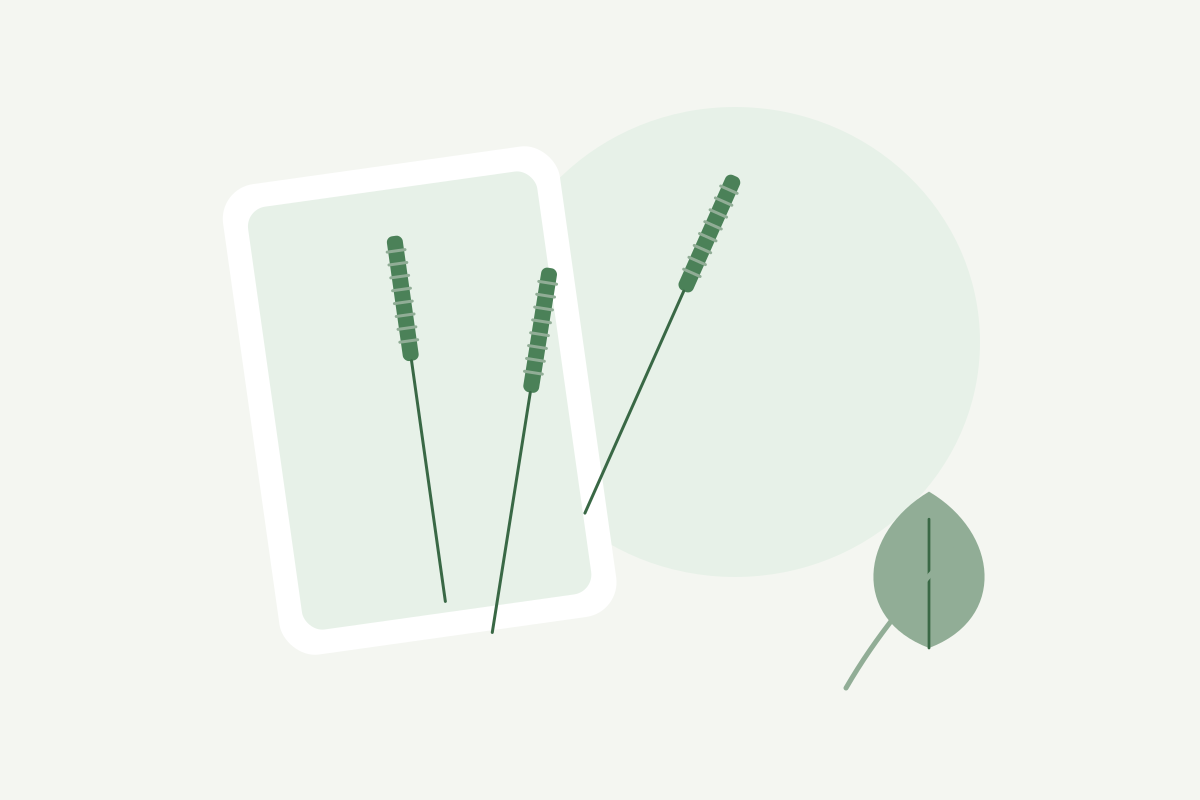
Acupuncture does not become better simply by using more needles or inserting them more deeply. The area being treated, anatomy, body build, symptoms and the person's response all affect the choice of technique.
Traditional discussions of different needle types emphasise matching the intervention to the situation. They should not be read as a rule that a serious illness always needs a larger or deeper needle.
What the practitioner considers
Some points are close to structures that require particular care. Depth and direction are professional decisions; a diagram showing an acupoint is not a home-needling instruction.
The plan may change after observing the response to earlier treatment. A few well-chosen points and a larger point selection can both be appropriate in different circumstances.
What you should feel able to say
Tell the practitioner about sharp pain, burning, marked tingling or feeling faint. You do not need to endure a strong sensation to make the session worthwhile. Discuss concerns about needles before treatment so the approach can be adjusted or alternatives considered.
At Eden, ask what the proposed points are intended to address and when progress will be reviewed. Relevant outcomes include pain, movement, sleep or another agreed symptom. Needle count, a dramatic sensation and temporary marks do not establish that a treatment worked, and they should not replace a practical discussion of benefit.
Pain & movement
A sore wrist, a stiff neck or a back that objects to another day at a desk. Treatment begins with how the problem affects the way you move.