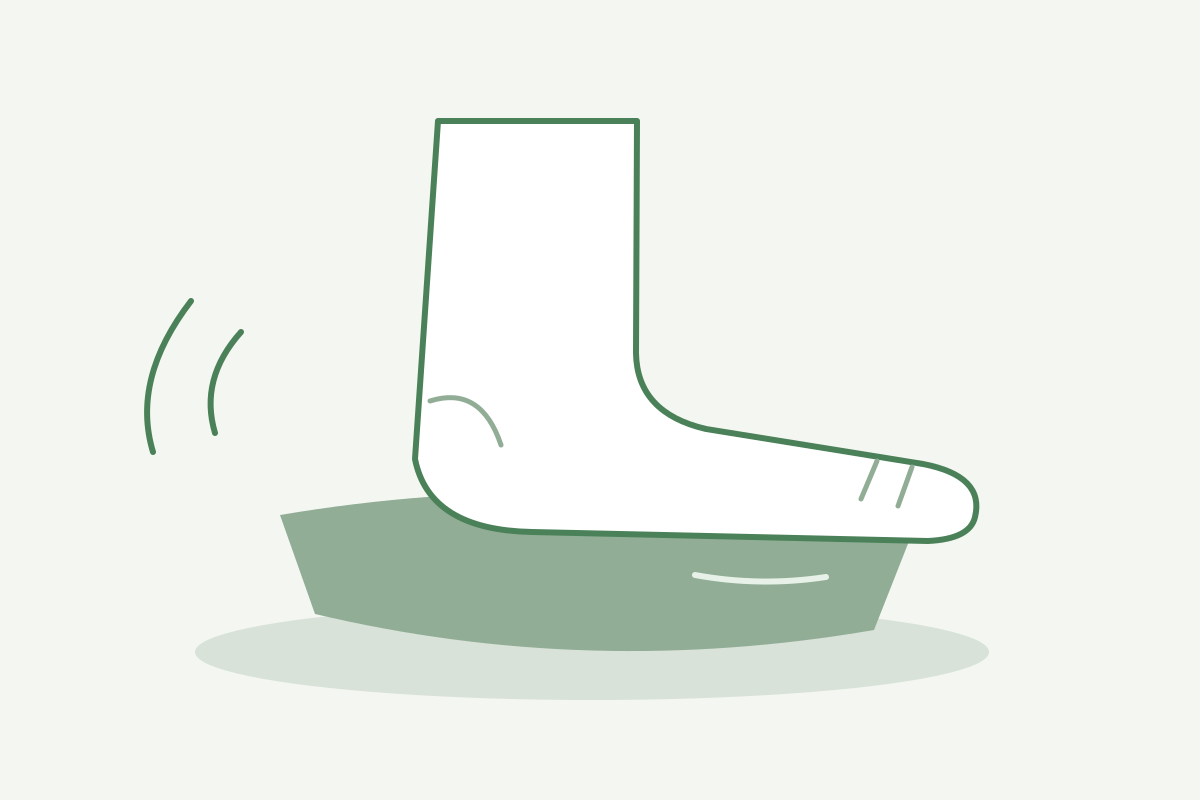
A gout attack can make even the weight of a bedsheet uncomfortable. The big toe is a familiar site, but ankles, knees and other joints can also be affected. Between attacks the joint may feel normal, which can make ongoing care easy to forget.
Gout is associated with urate crystals and inflammation in the joint. Treating the pain of an attack and reducing the likelihood of future attacks address different parts of the condition.
During a painful attack
Prompt treatment can reduce the disruption of an attack. The medicines used to settle inflammation are chosen according to your health and other medicines. Resting and reducing pressure on the joint may help while treatment takes effect.
A newly hot, swollen joint should be assessed, particularly if you also feel unwell or have a fever. Infection can resemble gout and needs urgent medical attention. A previous gout diagnosis does not make every future swollen joint automatically the same problem.
What happens when the pain settles
Pain going away does not necessarily mean urate levels are controlled. People with recurrent attacks may need urate-lowering treatment and monitoring. If prescribed, this medicine is generally taken regularly, including on days without symptoms.
Bring a list of medicines to an appointment, including treatments for blood pressure and supplements. Kidney health, other conditions and previous attacks all contribute to the plan.
Chinese medicine distinguishes the stages
Chinese medicine distinguishes an acute, hot and painful presentation from a quieter period with recurring discomfort or stiffness. “Damp-heat obstruction” is one traditional description of the acute pattern; longer-term assessment may include appetite, tiredness and other symptoms.
These patterns guide the Chinese medicine consultation. They do not replace measurement of urate or establish that a particular herbal prescription prevents crystal deposition. If herbal treatment is considered, it needs to be coordinated with existing medicines and kidney function.
Sustainable changes around food and drink
Regular meals, sensible portions, hydration and moderating alcohol can support gout management. Avoid crash dieting. The aim is a pattern you can maintain, rather than a short list of forbidden foods followed only during an attack.
Diet is only one influence on urate. Genetics, kidney function and medicines also matter, so recurring gout is not simply evidence that someone has eaten badly. Reducing drinks with a lot of added sugar and avoiding dehydration are practical starting points.
Make follow-up specific
Keep a note of attacks, affected joints, treatment taken and how long recovery takes. Discuss whether attacks are becoming more frequent and whether the prevention plan needs adjustment. A comfortable month is a good time to do this work, rather than waiting for the next painful night.
Everyday health
Digestive discomfort, skin concerns and the symptoms that keep returning. A consultation makes space for the details that connect them.